Buyer's Guide
Blinds & Shades for Scandinavian and Japandi Interiors
Scandinavian and Japandi design both prize the same quiet ingredients: light woods, soft neutral textiles, uncluttered lines, and natural light treated as a material in its own right. Window coverings sit right at the centre of that equation — the wrong blind (glossy, heavily patterned, or cord-cluttered) can undo an otherwise calm room in one sightline. This guide breaks down which blinds and shades actually read as Scandi/Japandi, which fabrics and tones to look for, and how to keep the mechanics — cords, brackets, valances — as minimal as the room around them.
What Makes a Window Covering "Scandi" or "Japandi"
Both aesthetics share a restraint that's easy to describe but easy to break with the wrong product. The common thread is fewer visible parts, softer materials, and a muted, tonal palette rather than contrast or pattern.
- Light, low-contrast palette: warm white, oat, greige, soft taupe, sage, charcoal as an occasional anchor — no bold prints or high-gloss finishes
- Natural or natural-look texture: linen-weave fabrics, matte woodgrain finishes, woven-look screens rather than plastic sheen
- Clean, cordless lines: cord cleats, dangling chains and bulky valances read as clutter in a Scandi/Japandi room
- Diffused, layered light: Japandi in particular favours soft, filtered daylight over hard glare or total blackout, except in bedrooms
- Low-profile hardware: slim headrails and hidden brackets keep the window frame itself as the visual feature, not the blind
Best Blind & Shade Types for the Look
Not every product on our line-up suits this aesthetic equally — these four consistently work best across Calgary Scandi and Japandi projects we've measured for.
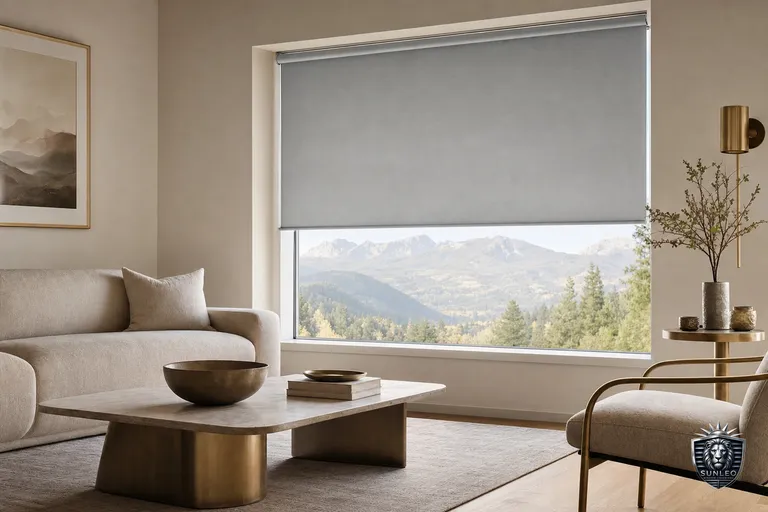
- Roller blinds in linen-look fabrics — the cleanest, flattest line for living rooms and home offices; light-filtering weaves keep the room bright without glare
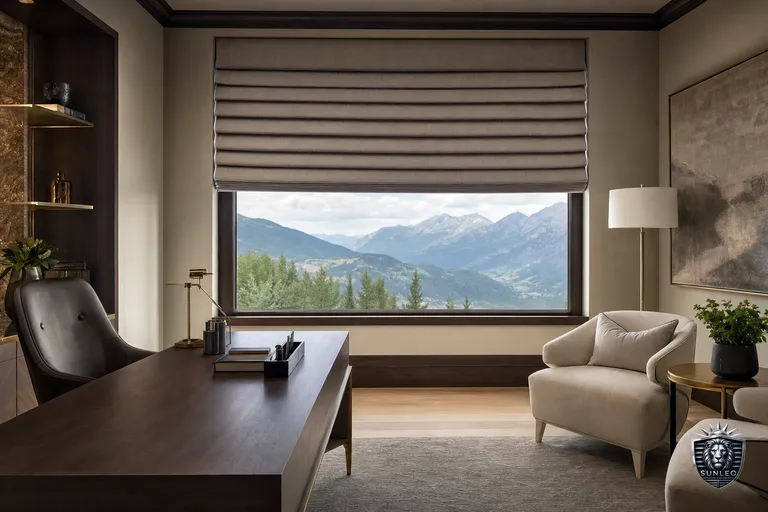
- Roman shades in a soft linen or cotton-blend — the folded texture reads handmade and warm, ideal for dining rooms and reading nooks
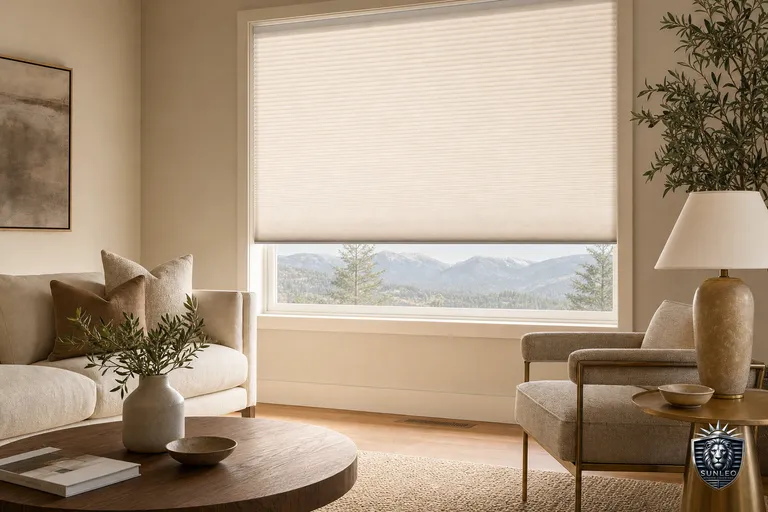
- Honeycomb (cellular) shades in warm white or oat — the pleats diffuse light beautifully for bedrooms and nurseries while adding quiet insulation
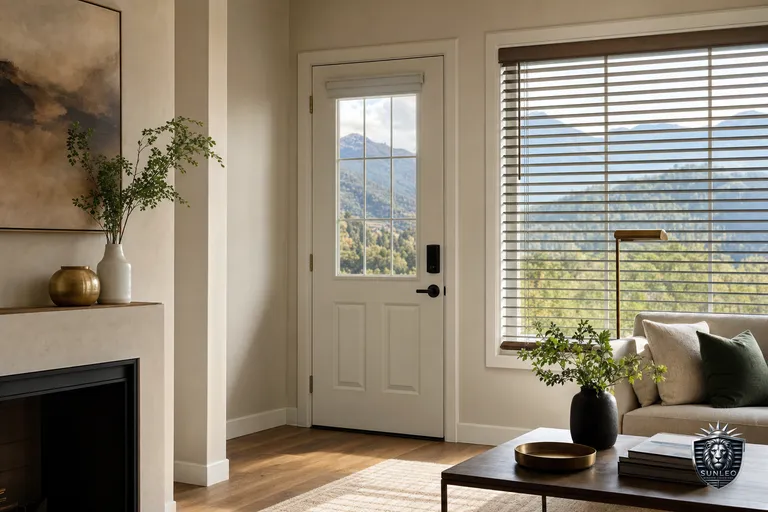
- Faux wood venetian blinds in a light oak or driftwood tone — the closest match to Scandinavian pale-wood furniture and flooring, and moisture-resistant enough for kitchens and bathrooms
Choosing Fabric & Colour
When you're comparing swatches at your in-home consultation, hold them against your existing wood tones and wall colour rather than choosing in isolation — Scandi/Japandi rooms live or die on tonal harmony.
- Match undertones, not just shade: a cool-white fabric can look stark against warm oak floors — ask your consultant for a warm-white or oat option instead
- Texture over pattern: a subtle linen weave adds interest without breaking the minimalist rule that patterns do
- Reserve darker tones (charcoal, deep sage, black-brown) for one accent room rather than throughout the home
- Bring a flooring or furniture sample to your free measure — it's the fastest way to nail the undertone match on the spot
Keeping the Mechanics Minimal
Japandi in particular treats hardware as something to hide, not showcase. A few product choices make the mechanics disappear into the window rather than compete with it.
- Cordless lift systems remove dangling chains and cord cleats from the sightline entirely
- Motorized blinds (app or remote-controlled, and compatible with Alexa, Google Home or Apple Home) let you skip pulls and wands altogether — useful for large windows or hard-to-reach skylights
- Slim, low-profile headrails sit closer to the frame than bulky traditional valances
- Perfect Fit-style frames clip directly into the window recess with no visible brackets, drill holes, or cords — a clean option for French doors and casement windows common in Japandi-inspired renovations
Room-by-Room Notes
The same aesthetic can call for slightly different products depending on light needs and privacy.
- Living/dining: linen-look roller or Roman shades in warm neutrals, left mostly open during the day for that light-filled Scandi feel
- Bedroom: honeycomb shades in oat or warm white for softened light, or add a blackout roller behind a sheer layer if you need full darkness
- Kitchen/bathroom: faux wood venetians or aluminum blinds in a matte light finish — moisture-friendly and still on-palette
- Skylights and hard-to-reach windows: motorized skylight blinds keep the cordless, minimal look even overhead