Buyer's Guide
What Are Honeycomb (Cellular) Shades? A Calgary Buyer's Guide
If you have ever felt a cold draft creeping off your windows during a Calgary January, you have a good reason to look at cellular shades. Also known as honeycomb shades, they are the most insulating fabric shade you can buy, and they earn that reputation through a simple, clever bit of engineering: trapped air. This guide explains exactly how cellular shades work, the difference between single and double cell, what top-down/bottom-up means, and where these shades make the most sense in an Alberta home, so you can decide if they belong on your window list before a free in-home measurement.
How honeycomb shades actually work
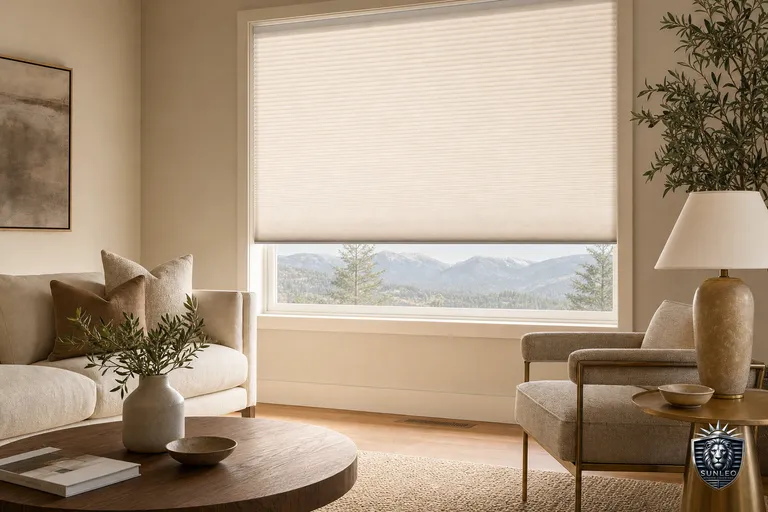
Cellular shades are made from a continuous strip of pleated fabric that, when viewed from the side, forms rows of hexagonal pockets, the honeycomb shape that gives them their name. Each pocket traps a layer of still air between your window glass and your room.
That trapped air is the whole trick. Air is a poor conductor of heat, so a buffer of still air slows the movement of warmth through the window. In winter, the cells hold your heated indoor air back from the cold glass; in summer, they slow solar heat from radiating into the room. The fabric also diffuses daylight into a soft, even glow rather than a harsh beam.
- Pleated fabric folds into hexagonal pockets when the shade is down
- Each pocket holds a layer of still, insulating air against the glass
- More and deeper cells generally mean better insulation
- Fabric is available in light-filtering and full blackout opacities
Single cell vs double cell: which to choose
The biggest decision with cellular shades is cell construction. Single-cell shades have one row of pockets; double-cell shades stack two smaller rows, creating an extra air chamber and an additional fabric layer.
Double cell insulates better and is the stronger pick for very cold, north-facing, or large windows where comfort and energy loss matter most. Single cell is lighter, stacks tighter at the top of the window (so it clears more glass when raised), and tends to be the value-friendly choice for milder rooms. There is also a cell-size factor: smaller cells suit narrow windows and a crisp look, while larger cells span big openings with fewer pleats.
Top-down/bottom-up and other lift options
One of the most loved features on cellular shades is top-down/bottom-up operation. A standard shade lowers from the top; a top-down/bottom-up shade can do both, so you can drop the top rail down to let daylight in across the upper window while keeping the lower half covered for privacy.
That is ideal for street-facing windows, bathrooms, and main-floor rooms where you want light without putting yourself on display. Cellular shades also come with several control styles to fit how you live.
- Top-down/bottom-up: open from the top, the bottom, or both
- Cordless: a clean, child- and pet-safe look with no dangling cords
- Continuous cord loop: easy control for tall or heavy shades
- Motorized: app, remote, or voice control via Alexa, Google Home, or Apple Home
Where cellular shades shine in Calgary
Calgary's climate is exactly the scenario cellular shades were built for: long, cold winters, big temperature swings, and bright high-altitude sun. The insulating air pockets help keep heat in during a -25C cold snap and block radiant heat during a hot Chinook-fed afternoon, which can ease the load on your furnace and AC.
They are a particularly good fit for bedrooms (blackout cellular fabric blocks the early summer sunrise), basements and bonus rooms over garages that run cold, north- and east-facing windows, and condos where energy comfort and a tidy, modern look both matter. Because the fabric folds up compactly, they also keep sightlines clean on view windows facing the mountains or downtown.
Pros, cons, and how cellular compares
No single shade is right for every window, so it helps to weigh cellular shades against the alternatives honestly.
- Pros: best-in-class insulation, soft light diffusion, cordless and blackout options, lightweight, clean modern look
- Cons: the honeycomb fabric is harder to spot-clean than a flat blind, and it gives a fabric (not slatted) appearance some rooms do not want
- If you want tilt-and-view light control with slats, venetian or aluminum blinds may suit better
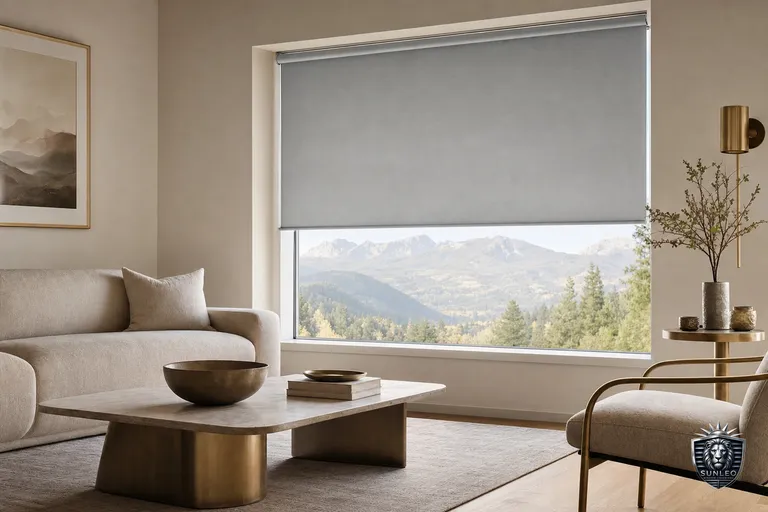
- If you want a sleek roll-up fabric look, roller blinds are an alternative, though they insulate less
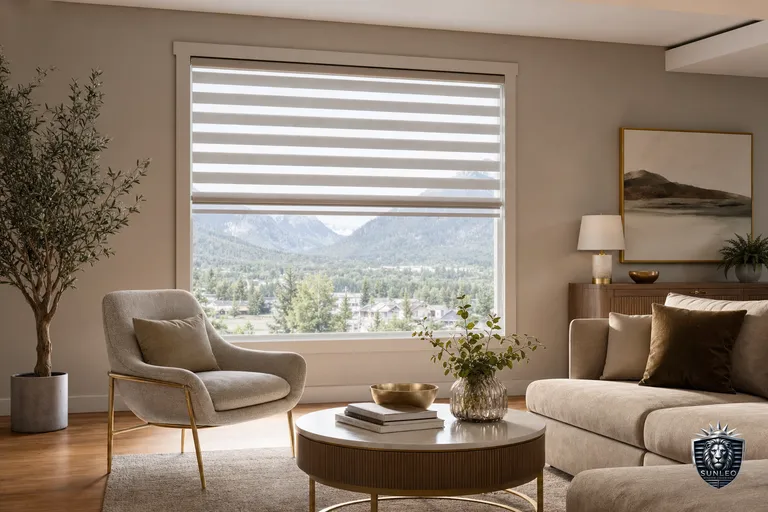
- For day-to-night flexibility in one shade, zebra blinds let you fade between sheer and solid bands