How-To Guide
Blinds Winter vs Summer Settings: A Calgary Seasonal Playbook
Calgary's sun angle swings dramatically between January and July, and your blinds are one of the few home features that can respond to that shift for free. The same window that leaks heat on a -20°C night can be your best passive heater on a sunny February afternoon. This guide walks through a simple, repeatable seasonal routine — no smart hub or app required, though motorized blinds make the switch automatic. Think of it as flipping your home's thermostat strategy by hand, twice a year, and then a couple of times a day.
Why the Same Blind Needs Two Different Jobs
Calgary sits at a latitude where the winter sun stays low on the horizon, streaming almost straight into south-facing windows, while the summer sun climbs high overhead and hits windows at a steeper, more glancing angle for longer daily hours. That difference is the whole reason a single seasonal setting doesn't work: a blind angled to trap January warmth would just as easily bake a room in July. The goal each season is opposite — invite the sun in when it's a free heat source, and reject it when it's an unwanted heat load competing with your AC or fans.
- Winter sun angle (low): passes deep into rooms through south and southwest glass — useful heat
- Summer sun angle (high): shorter path across the floor, more heat concentrated on the glass and window frame itself
- Calgary's chinooks add a wrinkle — a mild winter day can behave like a mini-summer day for a few hours
Winter Routine: Let the Sun Do the Heating
During Calgary's long heating season, unobstructed sunlight is essentially a free furnace for south- and west-facing rooms. The routine is simple and costs nothing beyond opening and closing on schedule.
- Morning (sunrise-ish): open blinds fully on south and east-facing windows to start warming the room as soon as the sun clears the horizon
- Midday to late afternoon: keep south/southwest blinds fully open — this is peak passive-heating time even on cold, clear days
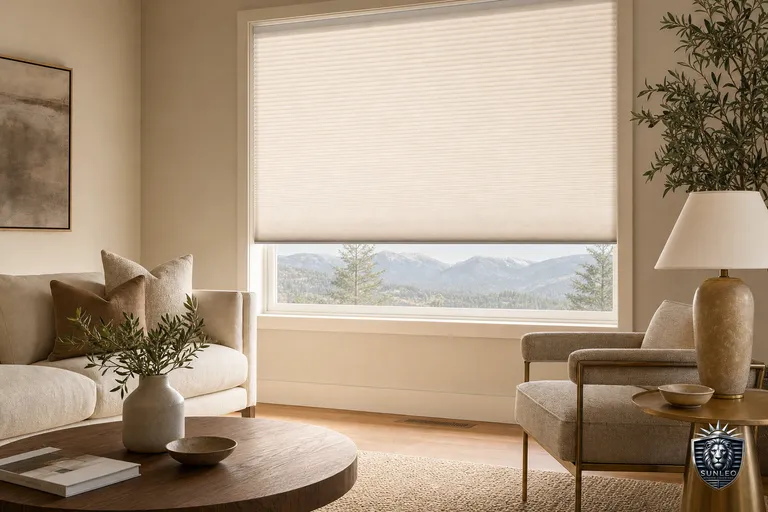
- At dusk, before the room starts losing warmth: close blinds completely to add an insulating air layer against the cold glass — cellular/honeycomb shades are especially effective here because of their trapped-air pockets
- North-facing windows rarely gain useful winter heat, so keep them closed most of the day to reduce heat loss through the glass
- On a chinook day, treat it like a summer afternoon for those few warm hours and tilt blinds partially closed if the room overheats
Summer Routine: Block the Heat Before It Gets In
Once the sun climbs higher and days stretch long, the priority flips to keeping heat out, especially on west-facing rooms that take the brunt of the intense late-afternoon sun.
- Early morning: open blinds to enjoy soft light before the sun gets strong, especially on east-facing windows
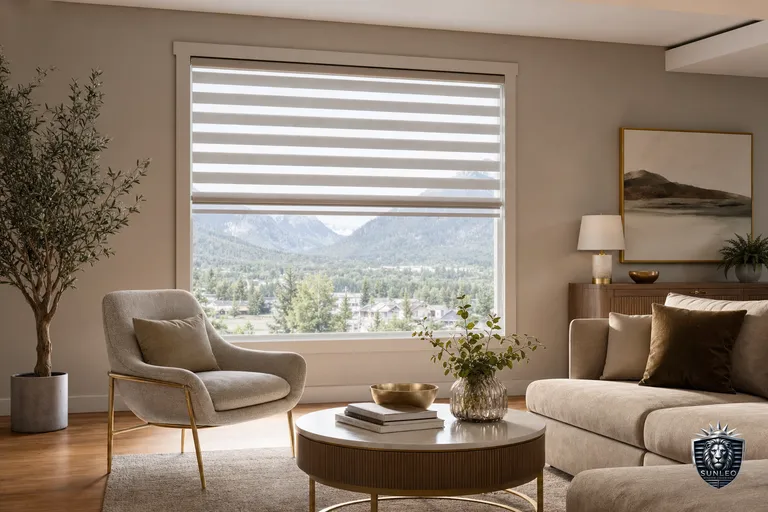
- Late morning through early evening (roughly 11am-5pm, longer on west windows): close blinds or tilt slats to deflect direct rays while still allowing some diffused light — zebra blinds and light-filtering fabrics work well here without leaving a room dark
- West-facing windows often need blinds closed from early afternoon well into evening, since that's when the sun is most intense and lowest in the sky again
- Evening: reopen once direct sun has passed to let natural light back in and let the room breathe
- On especially hot days, closing blinds fully (rather than just tilting) noticeably reduces the greenhouse effect near the glass
Quick Reference by Direction
Orientation matters as much as season. Use this as a fast mental checklist when deciding which windows to adjust first.
- South-facing: biggest winter heating opportunity (keep open by day); biggest summer overheating risk at midday (close or tilt)
- West-facing: minimal winter benefit; the most important window to close during summer afternoons and early evenings
- East-facing: gentle morning warmth in winter (open); mild morning heat in summer, usually manageable with a light tilt
- North-facing: least seasonal swing either way; mostly about privacy and evening insulation rather than solar control
Small Habits That Make the Biggest Difference
None of this requires new hardware, but a few habits make the routine stick and a few product choices make it easier to maintain.
- Adjust blinds at the same times you already do something else daily (opening curtains, letting a pet out) so it becomes automatic
- Cellular/honeycomb shades add a genuine insulating layer year-round, so they earn their keep in both seasons
- Motorized blinds with a schedule or voice control (Alexa, Google Home, Apple Home) remove the guesswork entirely and adjust even when you're not home
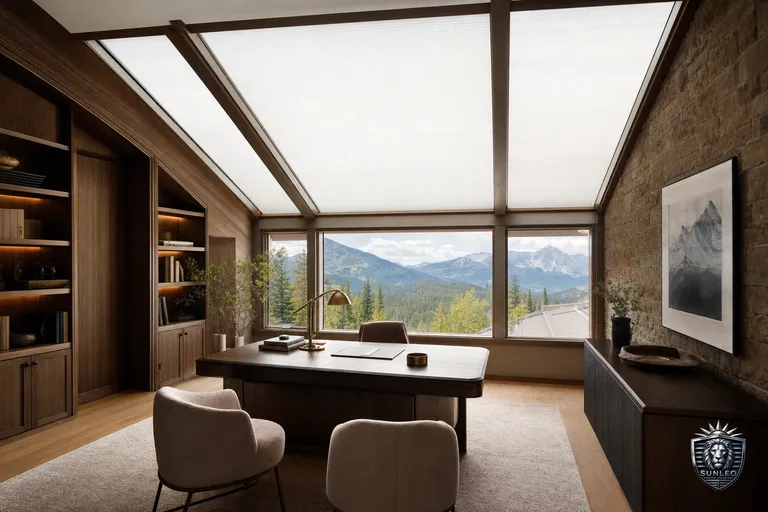
- Skylight blinds deserve the same seasonal attention as vertical windows — overhead sun is even more intense at midday
- If a room consistently overheats or underheats no matter how you adjust, that's often a sign the window treatment itself isn't suited to the space
When a Free Measurement Helps
Every Calgary home has a different mix of window orientation, glass type, and sun exposure, so the ideal blind style for a west-facing living room isn't always right for a south-facing bedroom. If you're weighing which products would make seasonal adjustments easier — or want motorized options that handle the schedule for you — Sunleo offers a free in-home consultation. A consultant measures your windows, brings samples, and can point out which rooms would benefit most from a seasonal or automated setup, with no obligation to buy.