Buyer's Guide
How to Judge Blind Quality: A Buyer's Inspection Guide
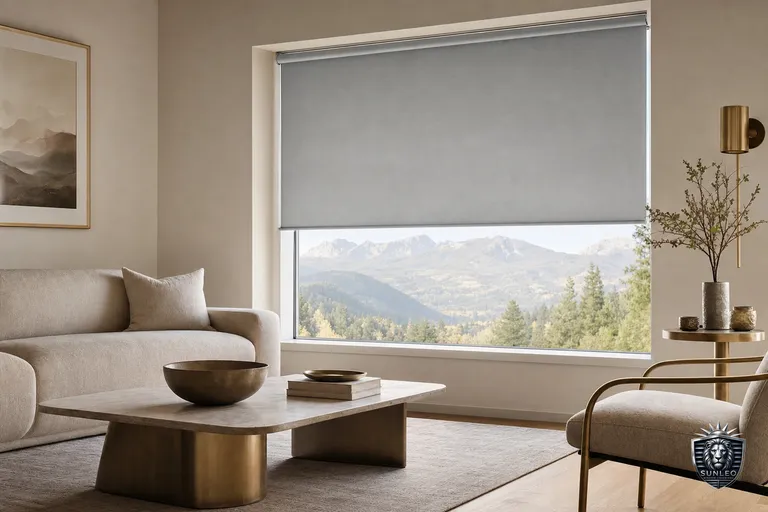
Blinds can look nearly identical in a photo yet perform very differently over ten years of daily use. The gap between a quality blind and a cheap one shows up in the details most buyers never check: how the fabric is woven, whether the mechanism glides or grinds, and what the brackets are made of. This guide walks you through exactly what to inspect — fabric and slats, mechanism, brackets, finish, warranty and fit — so you can tell a lasting window covering from one that will sag, fade or jam within a season. It applies whether you're comparing roller blinds, honeycomb shades or motorized systems, and it's written for Calgary homes, where intense sun and dry winters put extra stress on materials.
Start with the fabric or slat
The material is the single biggest quality tell. Hold it up to a window and look closely.
- Weave consistency: quality roller and sheer fabrics have an even, tight weave with no thin spots, loose threads or visible glue lines. Hold it to the light — blotchy translucency means uneven density.
- Weight and hand: better fabrics feel substantial, not papery. Cheap blackout coatings crack or flake when folded; quality coatings stay flexible.
- Slat integrity: on faux wood (PVC) and aluminum blinds, slats should resist bending and spring back flat. Thin aluminum that creases permanently or PVC that yellows is a red flag.
- Colourfastness: ask about UV and fade resistance. Calgary gets roughly 2,400 hours of sun a year, so south- and west-facing windows punish low-grade dyes.
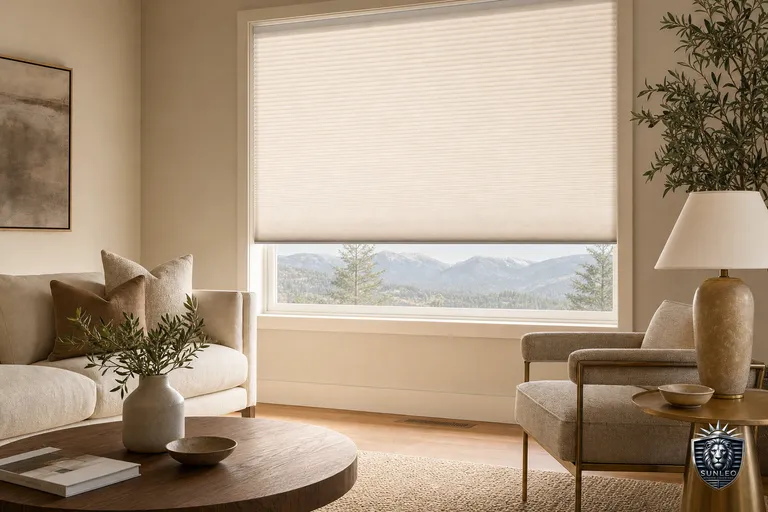
- Honeycomb cells: on cellular shades, crisp, uniform cells that hold their shape indicate quality; floppy or uneven cells collapse over time.
Test the operating mechanism
The mechanism is what you touch every day, and it's where cheap blinds fail first. If you can handle a sample, operate it repeatedly.
- Smooth travel: a good roller clutch or cordless lift moves evenly with no jerking, slipping or loud clicking. It should hold position anywhere without creeping down.
- Tilt control: on venetian, faux wood and aluminum blinds, the wand or cord tilt should turn smoothly and stop cleanly, not feel gritty or loose.
- Cordless and child-safe: quality cordless systems stay balanced across the full drop. Cheap ones drift or need two hands. In Canada, corded products must meet current child-safety regulations — verify compliance.
- Motorized quality: for motorized blinds, listen for a quiet, consistent motor, check battery or hardwired options, and confirm it works with Alexa, Google Home or Apple Home if you want smart control.
Inspect the brackets and hardware
Hardware is easy to overlook because it's hidden once installed — but it determines whether your blind stays level and secure for years.
- Metal over plastic: quality brackets, chain connectors and bottom rails are metal or reinforced components. All-plastic brackets crack, especially in dry winter air.
- Weighted bottom rail: a proper bottom bar or rail keeps fabric hanging straight and taut. Flimsy rails let blinds curl and swing.
- Headrail feel: on venetian and vertical blinds, a rigid headrail resists warping. Press it — it shouldn't flex easily.
- Fixings included: reputable products come with correct screws and mounting hardware rated for your wall type.
Check the finish and construction details
Craftsmanship shows in the edges and seams. These small details separate a premium blind from a discount one.
- Even hems and edges: roller fabric should be cut straight with sealed or heat-cut edges that won't fray. Roman shade seams should be tidy and symmetrical.
- Straight, level tracking: the blind should roll or stack evenly without telescoping to one side — a sign of a poorly squared product.
- Consistent colour and texture across the whole panel, with no batch mismatches.
- Clean smart-home integration: on motorized units, tidy wiring and a properly fitted motor tube, not exposed cords.
Weigh the warranty and made-to-measure fit
A warranty is a manufacturer telling you how long they expect the product to last. Fit tells you whether it was built for your window or pulled off a shelf.
- Warranty length: multi-year warranties on fabric, mechanism and motor signal confidence. A 1-year-only or no warranty suggests the maker expects early failure.
- What's covered: read whether it covers the mechanism and motor, not just fabric defects — mechanisms fail more often than fabric.
- True made-to-measure: quality blinds are built to your exact window within millimetres, so gaps are minimal and light leakage is controlled. Off-the-shelf sizes forced to fit look and perform worse.
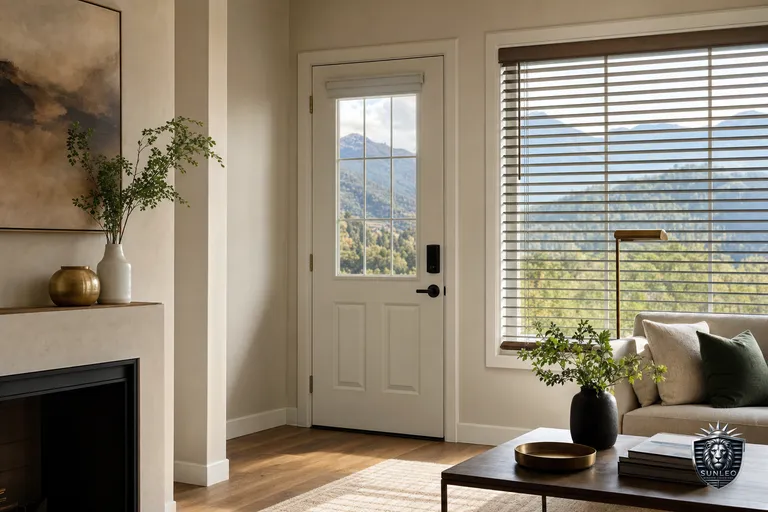
- Perfect Fit and door blinds: for tilt-and-turn windows and doors, a no-drill Perfect Fit frame that clips cleanly to the sash is a hallmark of a properly engineered, made-to-measure solution.
How to compare quotes without getting fooled
Once you know what to inspect, protect yourself from apples-to-oranges comparisons. Two quotes can look worlds apart in price yet describe very different products.
- Ask for material specs: fabric weight, slat thickness, coating type and whether the fit is truly custom.
- Confirm installation is included and done by professionals — a perfect blind installed crookedly still fails.
- See real samples in your own light before deciding; showroom lighting hides fabric flaws.
- Compare warranty terms line by line, not just headline price.
- A Sunleo consultant brings samples to your Calgary home, measures each window precisely and shows you the fabric, mechanism and hardware up close — so you can judge quality with your own hands before you commit.