Buyer's Guide
Energy Efficient Blinds: Which Window Coverings Actually Save Energy in Calgary
Calgary punishes windows. We swing from -30 C cold snaps to sudden Chinook warm-ups, and a lot of homes here still have older double-pane glass that bleeds heat all winter and bakes in the summer sun. Up to a third of a home's heating and cooling energy can move through its windows, so the right window covering is one of the cheapest upgrades you can make before paying for new glass. But not all blinds insulate equally, and most "energy saving" marketing is fluff. This guide gives you an honest, Calgary-specific ranking of which coverings actually trap heat, block UV, and shave money off your ENMAX and gas bills, plus how to use them so they work.
How blinds save energy (the simple version)
A window covering helps in two opposite seasons. In winter it adds a layer of dead air between the cold glass and your warm room, slowing the heat your furnace makes from escaping. In summer it reflects or absorbs incoming sunlight before it turns your living room into a greenhouse, so your space stays cooler without overworking a fan or AC. The single biggest factor is trapped air: still air is a great insulator, which is why a fabric that creates an air gap beats a thin slat hanging loose in front of the glass. The second factor is how tightly the covering seals the window opening. A shade mounted snugly inside the frame, or running side channels, blocks the convection draft far better than one that leaves big gaps at the edges. Keep both ideas in mind and the ranking below makes sense.
- Winter goal: trap a layer of still air to slow heat loss through cold glass
- Summer goal: block and reflect sunlight before it heats the room
- Trapped air + a tight seal around the window do most of the work
Honeycomb (cellular) shades: the insulation champion
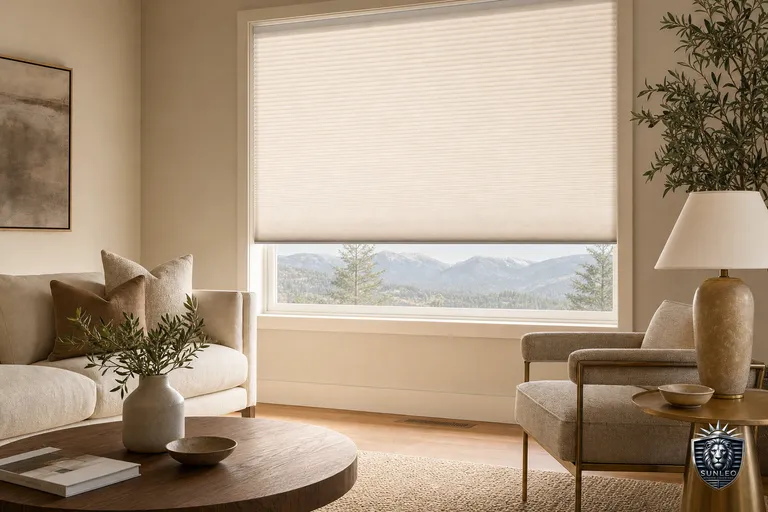
If energy efficiency is your main reason for buying, cellular shades win, full stop. Their pleated fabric folds into honeycomb-shaped cells that hold a pocket of air against the window, exactly the dead-air layer that insulates best. They consistently rank as the most insulating soft window covering, and in a climate like Calgary's that matters most on a January night when single-glazed or aging windows are radiating cold. You'll choose between single-cell and double-cell: a single cell is lighter and already insulates well, while double-cell adds a second row of pockets for noticeably more winter performance, which is the version we usually steer Calgary clients toward for north- and west-facing rooms and bedrooms. Add a blackout-lined fabric and you get the best of both worlds, room darkening plus an extra thermal barrier. For maximum effect, mount them inside the frame so the cells sit close to the glass and the edges seal tightly.
- Air-pocket cells = the highest insulation value of any fabric shade
- Double-cell beats single-cell for -30 winters and cold north rooms
- Blackout-lined honeycomb adds darkening and an extra thermal layer
- Inside-mount for the tightest seal and best performance
Blackout and light-filtering rollers: your summer and Chinook defence
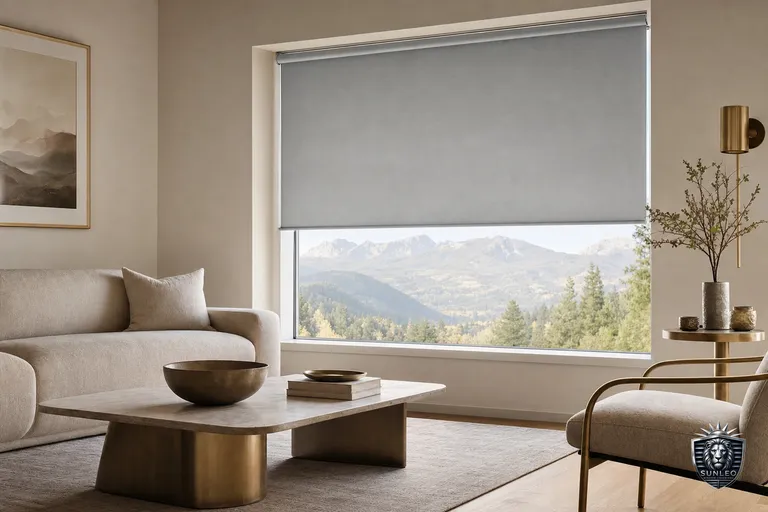
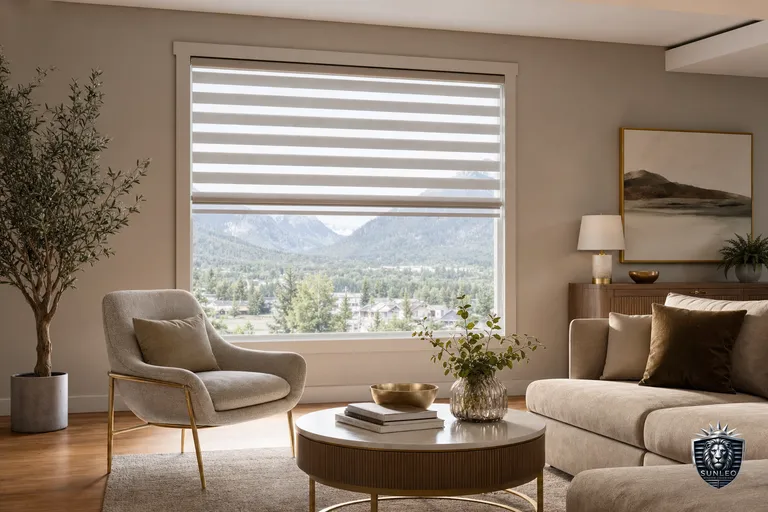
Calgary's energy problem isn't only the cold. Big south- and west-facing windows take a beating from intense prairie sun and bright Chinook afternoons, and that solar heat gain is what makes rooms stuffy and pushes you to run cooling. On the hottest west windows, a blackout roller with a heavier opaque fabric stops that sun before it heats the room and adds a modest insulating layer at the same time. Where you'd rather keep daylight, a light-filtering roller softens the glare, and a zebra blind lets you close the solid bands through the peak afternoon hours. Rollers won't out-insulate honeycomb in deep winter, but for cutting summer cooling load and protecting floors and furniture from UV fade, they're often the better pick on sun-blasted glass.
- Blackout rollers stop afternoon solar heat gain on west windows
- Light-filtering rollers and zebra blinds soften glare while keeping daylight
- Blackout rollers also darken bedrooms and add a light insulating layer
- Best tool for summer cooling and Chinook glare, not deep-winter warmth
Honest ranking: every blind type by insulation
Here's where the common types actually land for energy performance, best to most modest. This is the order we'll give you in person, too, because we'd rather sell you the right product than the priciest one. The takeaway: if winter heating bills are the priority, lead with honeycomb. If summer heat and fading are the problem, honeycomb still helps, and blackout rollers suit west-facing bedrooms. Many Calgary homes benefit from a mix, honeycomb in bedrooms and cold rooms, blackout or light-filtering rollers on the sunny side. Hard-slat blinds like venetian and aluminum look great and control glare well, but bare slats leave gaps and don't trap air, so treat them as light-control products with light energy benefit rather than insulation upgrades.
- Best: Cellular / honeycomb shades, especially double-cell or blackout-lined
- Strong (summer/UV): Blackout roller blinds on sunny exposures
- Good: Roman shades and zebra/day-night blinds with a lined or dim-out fabric
- Helpful add-on: side-channel and skylight systems that seal the opening tightly
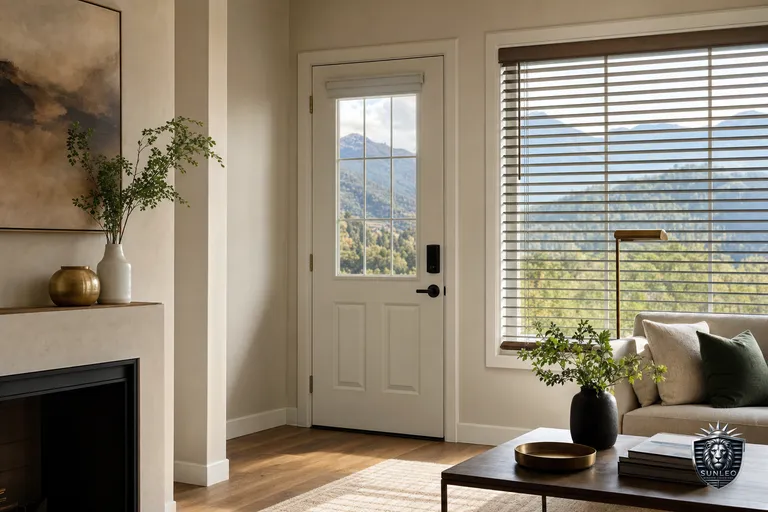
- Modest: Faux wood / venetian and aluminum blinds, mainly glare and light control
- Modest: Vertical and sheer shades, more about light and view than insulation
Using your blinds the right way (free, biggest payoff)
The most efficient blind still wastes its potential if you leave it open at the wrong times. The free win is habit. In winter, open south- and east-facing shades on sunny days to let free solar heat in, then close everything at dusk to trap warmth before the overnight cold hits, this nightly close-up is where insulating shades earn their keep. In summer, do the opposite: close shades on the sun-facing side during the hottest part of the day to keep heat out, and open up in the cool evening. Tight inside-mounts and side channels (a real advantage on skylights and patio doors) make these habits far more effective by killing the edge drafts. If remembering all this sounds like a chore, motorized blinds with a schedule or a sun sensor will close them automatically at the right moments, so your home captures the savings even when you're at work or away.
- Winter: open to sunny windows by day, close every shade at night
- Summer: close the sun-facing side during peak afternoon heat
- Tight inside-mounts and side channels stop the edge drafts
- Motorized scheduling automates the close-up so you never miss the saving
Pick the right blind for your windows
The honest answer is that the most energy efficient setup depends on which way your windows face, what's behind them (bedroom vs living room), and whether your bigger pain is winter heating or summer heat. That's exactly what a Sunleo consultant figures out during a free in-home measurement: we look at your actual exposures, your glass, and your rooms, bring real fabric and cell samples so you can feel the difference, and recommend a mix that pays you back, no online cart, no pressure. You'll get a clear quote with honest trade-offs before you decide anything.
- North/cold rooms and bedrooms: double-cell or blackout honeycomb
- South/west sun-blasted windows: honeycomb, or blackout rollers on west bedrooms, for heat and UV
- Skylights and patio doors: side-channel systems for a tight seal
- Set-and-forget savings: add motorization with scheduling