How-To Guide
7 Common Blind Measuring Mistakes (and How to Avoid Them)
Custom blinds are made to the exact numbers you supply, so a measuring slip of even 1/4 inch can mean a blind that binds in the track, leaves a light gap, or simply will not fit the window. Because made-to-measure orders are cut to your specs, they usually cannot be returned or exchanged for sizing errors. This guide walks through the blind measuring mistakes we see most often in Calgary homes, why each one causes problems, and the simple habits that prevent them. It also explains why a professional in-home measure removes the risk entirely.
1. Rounding to the nearest inch instead of 1/8"
Window coverings are a precision product. Rounding 36 3/8" down to a tidy 36" sounds harmless, but that 3/8" can push a roller blind past its bracket seating or leave a visible light gap on a blackout shade. Always measure and record to the nearest 1/8 inch, and write the fraction down exactly as you read it rather than 'about 36 and a half'.
- Use a steel tape measure, never a cloth or fabric one that can stretch
- Read to the nearest 1/8" and record the exact fraction
- Double-check that you read the tape right-side up (easy to misread 1/8 vs 7/8)
2. Measuring the window in only one spot
No window is perfectly square, and older Calgary homes and newer builds alike often settle a few millimetres out of true. Measuring width at just the middle, or height at just one side, is one of the costliest blind measuring mistakes because the frame may be 1/2" narrower at the top than the bottom. Measure width in three places (top, middle, bottom) and height in three places (left, centre, right).
- Width: measure top, middle and bottom of the opening
- Height: measure left, centre and right
- For inside mount, use the narrowest width and the appropriate height for your product
- Record all three numbers so nothing is guessed later
3. Confusing inside mount and outside mount
Inside mount (IB) sits the blind inside the window recess for a clean, built-in look; outside mount (OB) fixes it to the wall or frame above the opening to block more light and make a window look larger. The two are measured completely differently, and mixing them up is a frequent source of returns. Decide the mount type before you touch the tape, because it changes which measurement is the deduction number and which is the finished size.
- Inside mount: measure the tight recess width and height; the factory applies deductions
- Outside mount: measure the exact finished size you want the blind to cover, adding overlap on each side and above
- Check recess depth for inside mount so brackets and the rolled fabric actually fit
4. Rounding the wrong way
This is the mistake that catches even careful DIY measurers. For an inside mount you round the width DOWN to the nearest 1/8" so the blind clears the recess, and you take the LONGEST drop so the blind reaches the sill. Round the width up and the blind jams; round the drop down and it stops short. For outside mount you generally give the exact size you want covered and let overlaps do the work. When in doubt, note which way you rounded so it can be verified.
- Inside mount width: round down to the nearest 1/8"
- Inside mount height: use the longest of your three measurements
- Outside mount: provide exact finished dimensions plus deliberate overlap
- Never round both directions the same way out of habit
5. Ignoring depth, obstructions, and old measurements
Cranks, locks, tilt latches, deep sills and shallow recesses all change what will actually fit. A blind that measures perfectly on paper can still collide with a window crank or protruding handle, so check recess depth and note anything that intrudes before you finalise numbers. Just as risky is trusting an old order or the size of a blind that came with the house; measure the actual opening fresh for every product, because a roller blind, a honeycomb shade and a faux wood venetian each use different deductions on the same window.
- Measure recess depth to confirm brackets and the headrail clear the glass
- Note handles, cranks, alarm sensors and trim that intrude on the opening
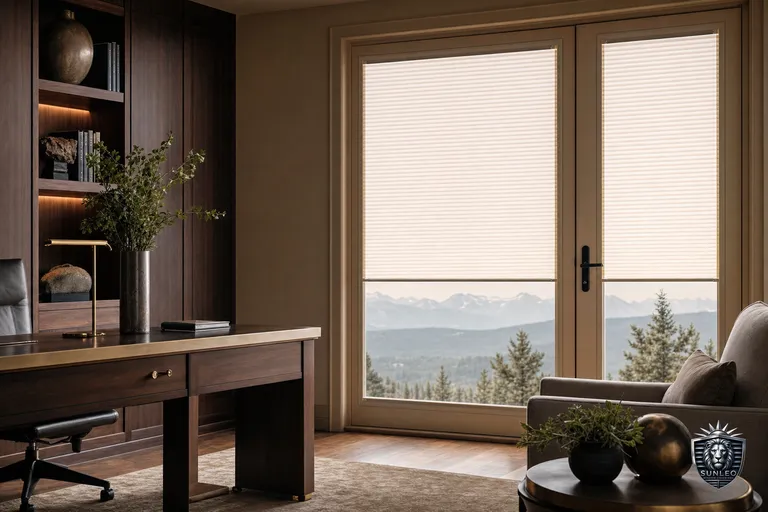
- Doors, tilt-and-turn and patio doors often need a framed or no-drill solution
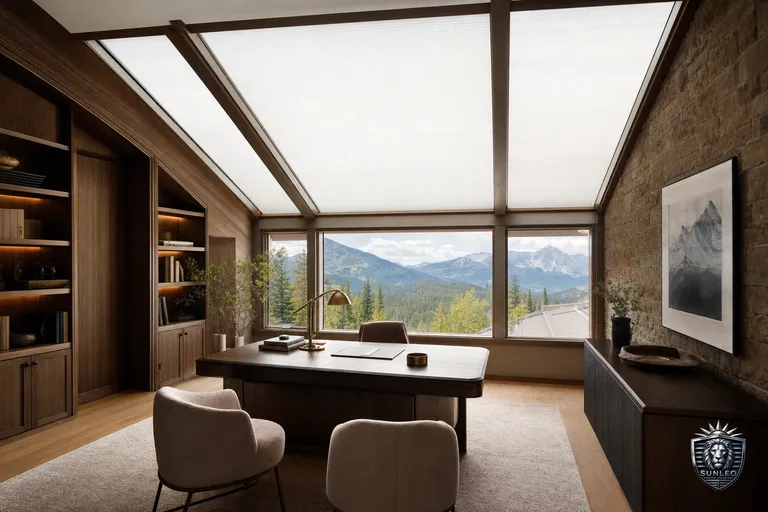
- Skylights and angled windows need track-guided systems, not a standard measure
- Measure the window yourself instead of reusing an old blind's dimensions
6. Why made-to-measure plus a pro measure removes the risk
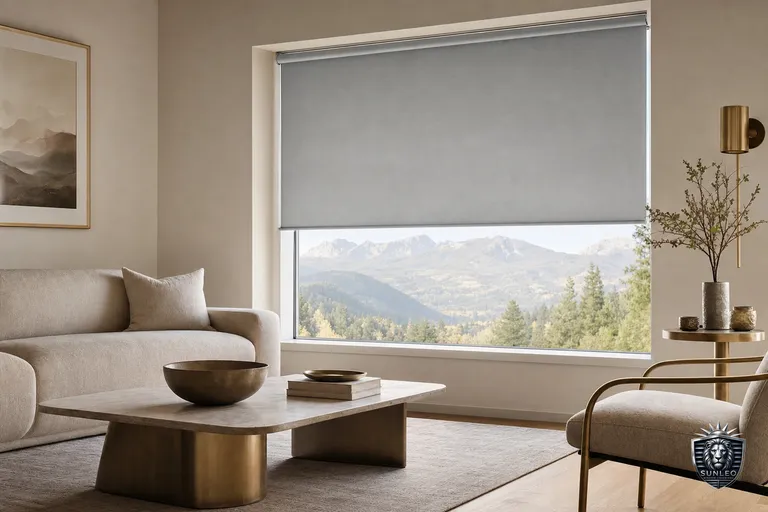
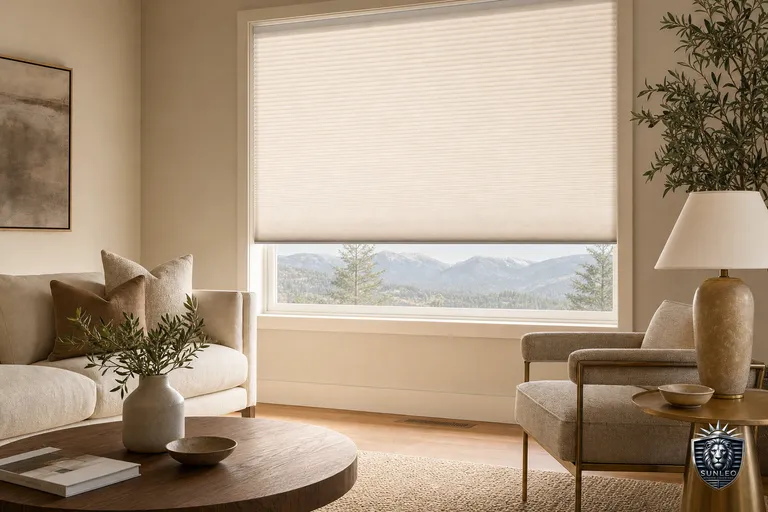
Every mistake above disappears when a trained measurer does the job. A Sunleo consultant brings laser and steel tools, records three points, confirms mount type and depth, flags obstructions, and orders each blind to spec so it fits the first time. Because the measuring is done by us instead of you, you get an accurate fit on made-to-measure roller blinds, honeycomb shades, door and skylight systems, and more. If you would rather not chase fractions of an inch, book a free in-home measurement and we will handle the numbers for you.
- Three-point measuring and mount confirmation on every window
- Depth, obstruction and product-specific deductions handled for you
- We measure, so you don't risk a costly re-order from a wrong number
- Samples brought to your Calgary home during the same visit