Comparison
Blinds vs Shades: The Honest Calgary Guide to Choosing
"Blinds" and "shades" get used as if they mean the same thing, but they're two genuinely different ways to dress a window — and the difference changes how a room feels, insulates and handles Calgary's bright, dry light. The quick version: blinds are built from hard, tilting slats or vanes, while shades are a single piece of soft fabric that raises and lowers as one panel. Each has rooms where it shines and rooms where it struggles. This guide breaks down what separates them, the honest pros and cons of both, which suits your kitchen versus your bedroom, and how each holds up to Chinook glare and −30°C winters. By the end you'll know which direction fits your home — and we measure both for free, in person, before you commit to anything.
What's the actual difference between blinds and shades?
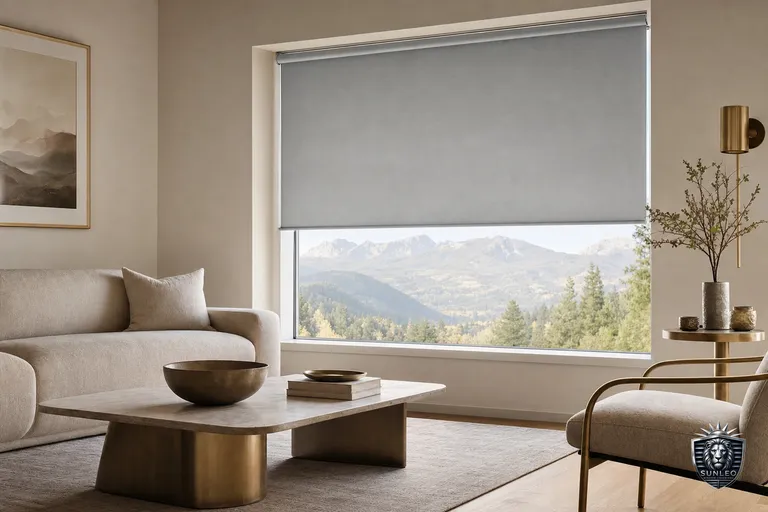
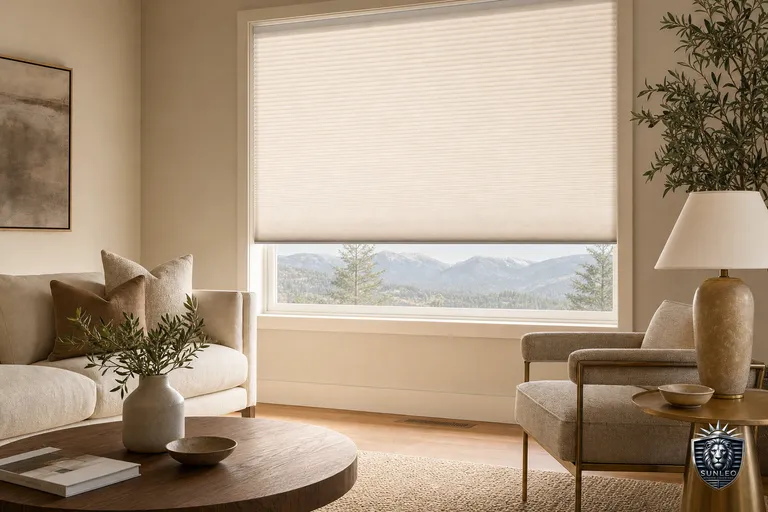
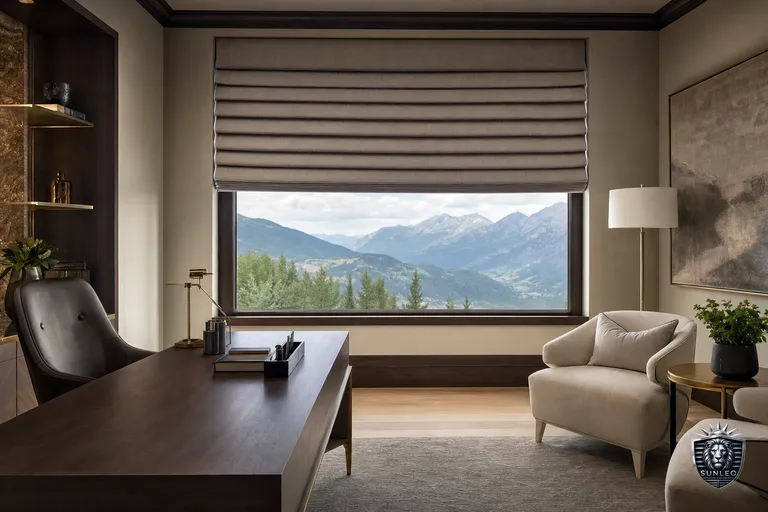
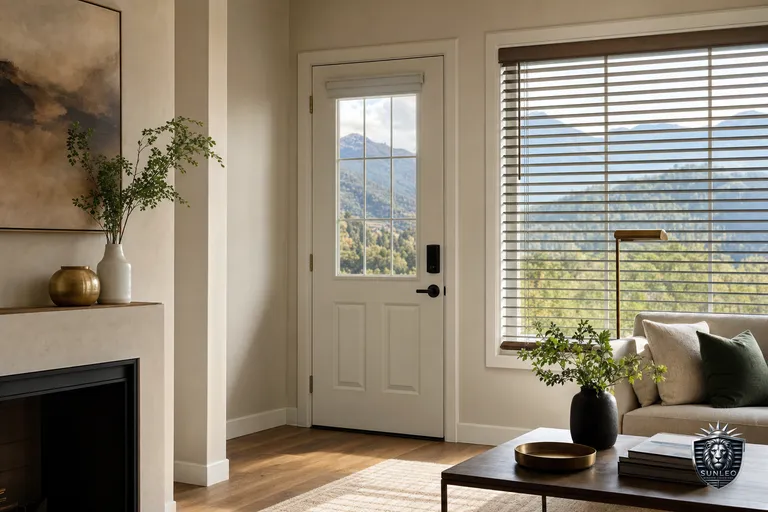
The dividing line is simple once you know it: blinds are made from hard, individual slats or vanes, while shades are made from a continuous piece of soft fabric. With blinds — think faux-wood Venetian styles, aluminum, or vertical vanes for patio doors — you tilt the slats open and closed to angle light without moving the whole blind. That gives you fine, almost dial-in control of how much sun enters and where it lands. Shades work differently. A roller, honeycomb or Roman shade is one fabric panel that you raise to let light in and lower to shut it out; the light you do get is softened as it passes through the weave rather than sliced by slats. Zebra and sheer shades blur the line a little — they layer fabric to mimic the light-angling of slats — but they're still fabric, so they read as shades. Operation differs too: blinds usually have a tilt control plus a lift, while most shades have a single lift action (cord, chain, spring or motor). Neither is 'better' in the abstract. They simply solve the light-and-privacy problem in two different languages — one structured and architectural, one soft and textile.
What are the pros and cons of blinds?
Blinds earn their keep where you want precision and durability. Because each slat tilts, you can keep a sightline to the backyard while still cutting glare off a screen — something a solid fabric panel can't do without going fully up or down. Hard slats also shrug off moisture and steam, which is why faux-wood and aluminum styles are the default in Calgary kitchens and bathrooms. The trade-offs are real, though. Slats collect dust on every surface and have to be wiped one by one. Even closed, they leave hairline light gaps and sightlines, so a bedroom that needs true darkness or total privacy is a weak spot. And the look is crisp and structured — great in a transitional or traditional room, less cozy than fabric in a soft, layered space. Here's the honest balance:
- Pro: Tilt slats to angle light precisely without raising the blind
- Pro: Faux-wood and aluminum resist humidity, steam and warping
- Pro: Often the budget-friendlier custom option
- Con: Slats leave thin light gaps — not ideal for full blackout
- Con: Every slat collects dust and must be wiped individually
- Con: A harder, more structured look than soft fabric
What are the pros and cons of shades?
Shades win on warmth, insulation and clean looks. A single fabric panel reads softer than a stack of slats, and there's no in-between hardware to dust — you wipe or vacuum one flat surface. Fabric is also where light control gets interesting: the same roller shade can come as a light-filtering weave that glows, a dim-out that darkens, or a 100% blackout for a nursery or media room. Honeycomb shades go further, trapping air in their cells to insulate the window itself. The catch is that, raised or lowered, a plain shade is more all-or-nothing than a tilting blind — you don't get the same fine angling unless you choose a zebra or sheer style. Premium fabrics and honeycomb constructions can also sit at the higher end of a quote, and heavy moisture isn't fabric's friend the way it is for faux wood. The honest balance:
- Pro: Soft, warm, tailored look with no slat hardware to dust
- Pro: Light-filtering, dim-out and blackout fabrics for any room
- Pro: Honeycomb cells insulate against heat loss and summer glare
- Con: Less fine light-angling than tilting slats (unless zebra/sheer)
- Con: Premium and honeycomb fabrics can sit higher in a quote
- Con: Standard fabrics suit dry rooms better than steamy ones
Blinds vs shades: which is better for each room?
Bedrooms are shade territory. For true darkness through Calgary's long-daylight June evenings, a blackout roller or honeycomb shade seals the room far better than slats, which always leak a little light at the edges. Honeycomb adds the bonus of insulating a cold exterior bedroom wall in winter. Living and dining rooms reward soft, layered fabric — Roman shades or sheer styles bring a warm, finished look to the room you entertain in, and zebra shades let you dial daylight up or down through the afternoon. Kitchens and bathrooms flip the logic: steam, splashes and grease favour wipe-clean faux-wood Venetian blinds or a moisture-resistant roller, not delicate fabric. Home offices are a glare problem — tilting Venetian slats or a zebra blind with its sheer bands aligned let you kill the sun on a monitor while keeping a view, which is exactly what adjustable styles do best. Patio and sliding doors need vertical blinds or a roller that slides clear of the traffic path. Kids' rooms and nurseries lean toward cordless or motorized shades for safety, with blackout for naps. The honest answer for most homes is a mix: shades where you want warmth and darkness, blinds where you want moisture resistance and precise light angling. There's no rule that every window has to match — and a good in-home measurement is partly about matching the right style to each room's job.
Which handles Calgary's climate better — blinds or shades?
Calgary throws three things at a window covering: intense high-altitude UV, dramatic Chinook temperature swings and deep winter cold. Each nudges the blinds-versus-shades decision. On UV, our thinner mountain air means stronger sun, so south- and west-facing rooms fade furniture fast. Zebra blinds and tilting Venetian slats both manage glare well — slats by angling it away, zebra by filtering it through the sheer bands while keeping the view. For raw insulation, shades pull ahead. Honeycomb shades trap a pocket of air against the glass, which is genuinely useful when an overnight low hits −25°C or −30°C and your windows are the weakest link in the wall. Hard blinds, with their open slats, don't seal that gap the same way. Chinooks bring their own quirk: a January afternoon can jump above freezing and flood the house with low, blinding sun, then drop again by evening. Adjustable styles — tilting slats or a zebra shade — let you respond hour to hour without committing the room to full dark. Moisture matters in winter too: well-sealed Calgary homes can get humid and condensation-prone at the window, where faux-wood or aluminum blinds outlast fabric. None of this makes one category the universal winner. If your priority is winter warmth and energy bills, shades — especially honeycomb — have the edge. If it's glare control and moisture resistance, blinds do. Most homes here benefit from both, room by room.
Do blinds or shades cost more in Calgary?
Cost depends far more on size, fabric and features than on the blinds-versus-shades label itself, so treat any single figure as a rough estimate until a window is actually measured. That said, a few honest patterns hold. Basic aluminum and faux-wood blinds tend to estimate at the lower end, which is part of why they're so common in utility rooms and rentals. Mid-range roller and zebra shades sit in the middle. Premium Roman shades and honeycomb constructions — especially blackout or top-down/bottom-up versions — typically land at the higher end of a quote because there's more fabric, lining and engineering in them. Three things move the price on either side of the aisle: window size (a wide patio door costs more than a small bathroom window in any style), fabric grade (a designer weave or true blackout lining adds up) and motorization, which is available on most blinds and shades and adds a per-window cost for the motor and control. Cost depends on product, fabric, size and control; as a guide, roller and zebra blinds start at 2 windows from $399 installed (honeycomb from $439). The accurate figure comes from a free in-home measurement, with a written quote within 48 hours, and you see the actual fabrics and slats in your own light before deciding anything.
Blinds vs shades at a glance (comparison table)
Here's the side-by-side, stripped down. Read 'blinds' as hard tilting slats and 'shades' as soft fabric panels, and use the table to spot which factors matter most for your home. If 'insulation' and 'true blackout' are at the top of your list, you'll see most rows pointing toward shades — particularly honeycomb. If 'moisture resistance' and 'fine light-angling' lead, the rows lean toward blinds. For many Calgary homes the smart read isn't one column or the other; it's choosing the column per room, then keeping the fabrics and finishes coordinated so the house still feels cohesive. The table below is a starting point, not a verdict — the best style for a given window also depends on its orientation, size and how the room is used, which is exactly what a measurement appointment sorts out.
How do you decide between blinds and shades?
Boil it down to what the room needs to do. Need true darkness or quiet warmth — a bedroom, nursery or media room? Start with shades, and look at a blackout roller or honeycomb. Need to beat glare on a screen while keeping the view — a home office or sunny living room? Lean toward tilting Venetian slats or a zebra blind. Fighting steam and splashes in a kitchen or bathroom? Faux-wood or aluminum blinds, or a moisture-resistant roller, will outlast fabric. Dressing a patio or sliding door? Vertical blinds or a side-clearing roller. Chasing lower winter heating bills? Honeycomb shades insulate the glass better than any slat. And if you genuinely love a soft, layered look, Roman shades bring drapery warmth with blind-style operation. Still, the honest truth is that the right answer changes window by window, and fabric and slat colours look completely different in your own daylight than on a screen. That's the whole reason we bring the samples to you. Book a free in-home measurement and a Sunleo consultant will hold the actual blinds and shades up to your windows, talk through each room, and put together an accurate quote — usually within 48 hours, with zero pressure to buy on the spot.
| Blinds | Shades | |
|---|---|---|
| Material | Hard slats or vanes — faux wood, aluminum, vertical | Soft fabric panel — roller, honeycomb, Roman, sheer |
| Light control | Tilt slats to angle light precisely, even when closed | Raise/lower the panel; light filters softly through the weave |
| True blackout | Thin gaps and sightlines remain even when closed | Solid blackout fabrics seal a room fully |
| Insulation (winter) | Minimal — open slats let heat escape | Stronger, especially honeycomb cells that trap air |
| Moisture resistance | Faux-wood and aluminum handle steam and splashes well | Standard fabrics suit dry rooms better |
| Look & feel | Crisp, structured, architectural | Soft, warm, layered and textile |
| Cleaning | Wipe each slat — dust collects on every surface | Dust or vacuum one flat surface; fewer ledges |
| Best rooms | Kitchens, bathrooms, offices, patio doors | Bedrooms, living rooms, nurseries, media rooms |
| Motorization | Available on most styles | Available on most styles |
| Typical custom cost (estimate) | Often the lower end (basic faux wood/aluminum) | Wider range; honeycomb and Roman trend higher |