Buyer's Guide
Blinds to Prevent Furniture Fading: A Calgary Homeowner's Guide to UV Protection
Hardwood floors that yellow, sofas that fade unevenly, artwork that loses colour — sun damage happens gradually, but in Calgary it happens faster than most homeowners expect. Between the city's elevation, dry climate, and long hours of direct sun, UV exposure indoors is higher than in most Canadian cities. The right window covering, matched to the right fabric opacity, is one of the most effective and least invasive ways to slow this damage down. This guide breaks down why fading happens, which rooms are most exposed, and which blinds and shades actually block the most UV.
How Sunlight Actually Fades Floors and Furniture
Fading is caused by more than just visible sunlight. Three components of sunlight all contribute: UV-A and UV-B rays (invisible, high-energy wavelengths that break down dye molecules and wood fibres), visible light (which continues to bleach pigments even after UV is blocked), and infrared heat (which accelerates drying, cracking, and warping in wood and leather). UV rays alone account for the majority of fading damage on fabrics, dyed wood finishes, and printed materials. The process is cumulative and irreversible — once a rug, sofa, or hardwood plank has faded, the colour doesn't come back. This is why prevention through window coverings matters more than after-the-fact fixes.
- UV-A/UV-B rays break down dyes and finishes at a molecular level, even on cloudy days
- Visible light causes ongoing bleaching independent of UV exposure
- Infrared heat dries out wood, leather, and glued veneers, leading to cracking over time
- Damage is cumulative — protection only slows future fading, it can't reverse existing damage
Why Calgary Homes Face Higher UV Exposure
Calgary sits at roughly 1,045 metres above sea level, one of the highest elevations of any major Canadian city. UV intensity increases with altitude — as a rough rule, UV exposure rises a few percentage points for every few hundred metres of elevation, because there's less atmosphere to absorb it. Combine that with Calgary's reputation for over 320 days of sunshine a year and clear, dry winter air (snow on the ground reflects additional UV upward), and interiors here take on more cumulative UV exposure annually than lower-elevation, cloudier cities. Large south- and west-facing windows, common in newer Calgary builds designed to capture mountain views and winter light, make this effect more pronounced indoors.
Highest-Risk Rooms and Window Exposures
Not every window causes equal damage. Orientation, glass area, and what's sitting in the light all determine the real risk to your furniture and floors.
- South-facing rooms — the most consistent, all-day sun exposure year-round
- West-facing rooms — lower afternoon sun angle that hits deeper into the room and onto furniture surfaces
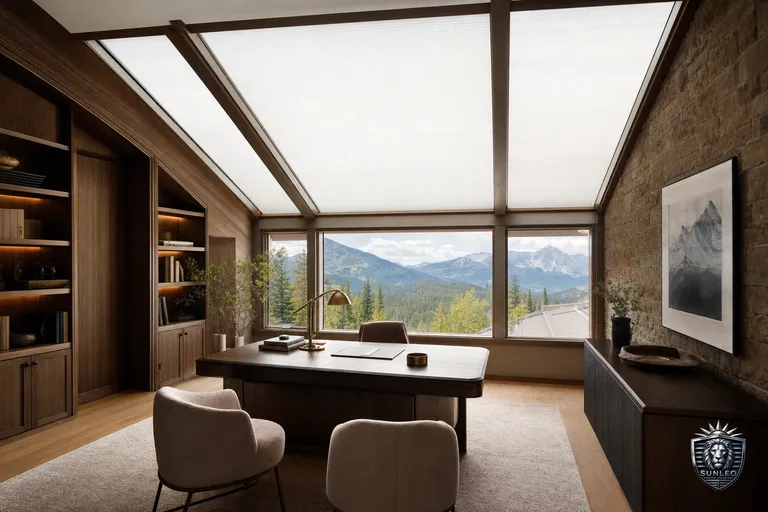
- Skylights — near-constant overhead exposure with no wall or eave to interrupt the light path
- Rooms with hardwood or vinyl plank flooring near patio doors or large windows
- Leather furniture, area rugs, and framed art or photos placed in direct sightlines of windows
Which Blinds and Fabrics Block the Most UV
Not all window coverings offer meaningful UV protection — sheer or light, open fabrics let significant UV through even when closed. For fade protection, the fabric's opacity matters more than the style of blind.
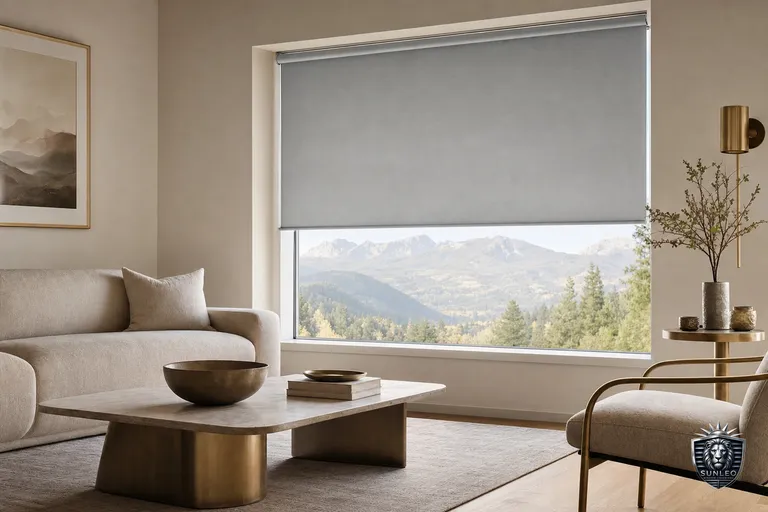
- Blackout roller blinds — fully opaque fabric that blocks close to 100% of UV and visible light; best for rooms where full darkening is acceptable
- Dim-out roller blinds — block most incoming light while letting a faint glow through, a good balance for living rooms and home offices
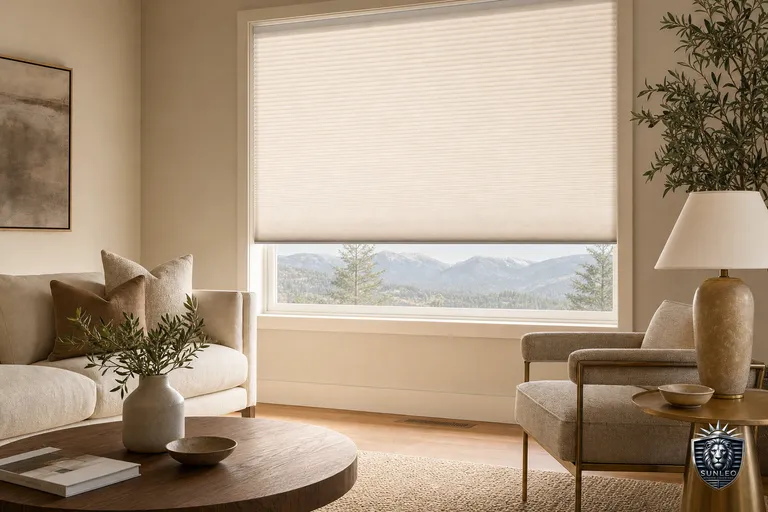
- Honeycomb (cellular) shades with a blackout-lined option — combine UV blocking with insulation, useful in rooms that also lose heat through the window
- Skylight blinds (track-guided) — purpose-built for overhead glass, giving you control over the one window angle that gets sun almost all day
- Motorized blinds on a schedule — automatically close during peak UV hours (roughly 10am-4pm) even when nobody is home to adjust them manually
Practical Tips to Reduce Fading Beyond the Blinds Themselves
Blinds are the biggest lever, but a few habits extend the life of your furniture and floors further.
- Keep blinds at least partially closed during peak midday sun in south- and west-facing rooms
- Rotate area rugs and reposition furniture periodically so fading, if it happens, is even rather than patchy
- Prioritize UV-blocking fabric on your worst-exposed windows first, then work outward — you don't need blackout everywhere
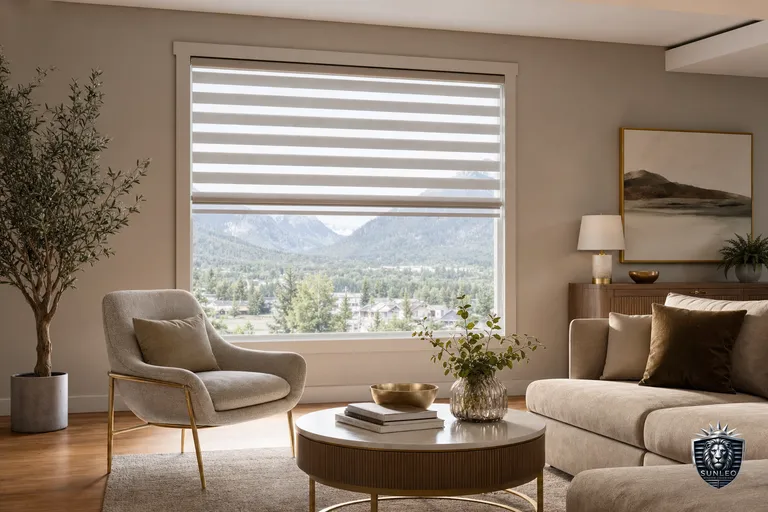
- For rooms where you want light control without full blackout, use a zebra blind, or pair a light-filtering layer with a dim-out layer, so you can adjust exposure through the day