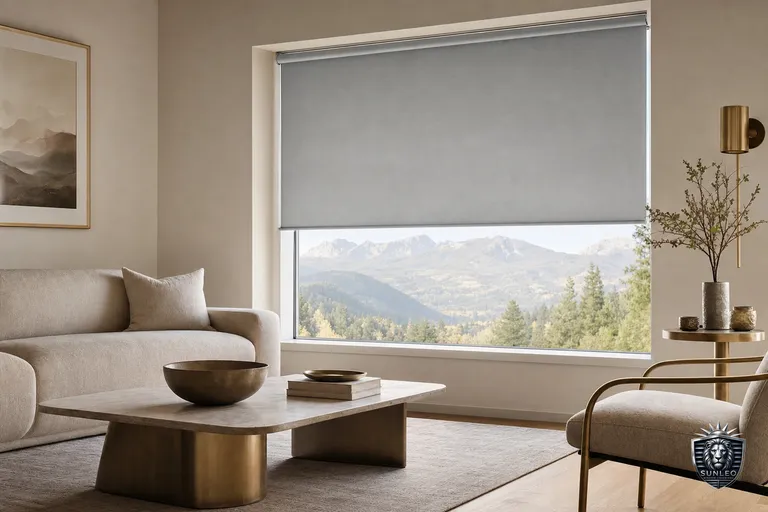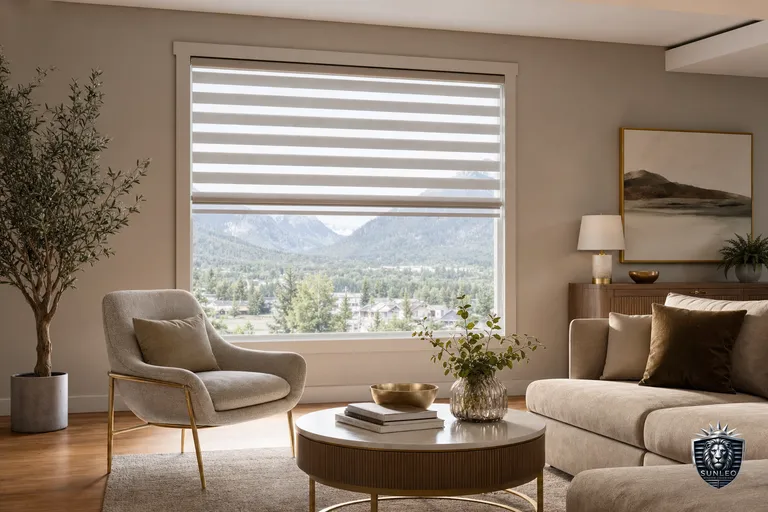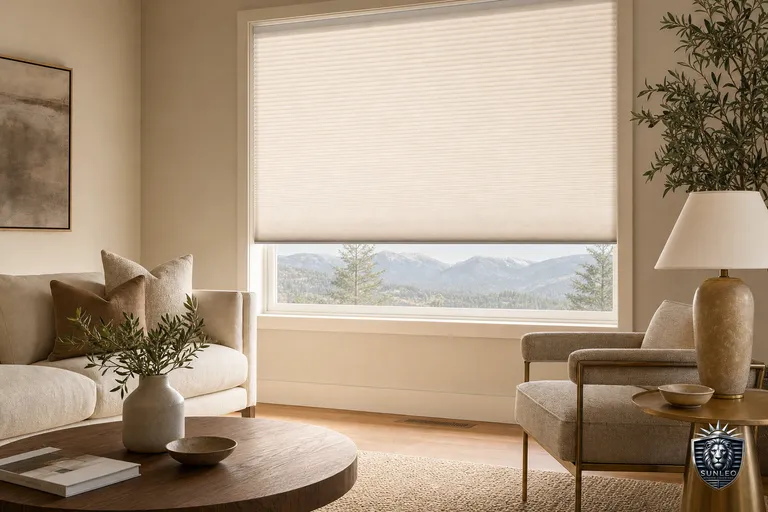
Buyer's Guide
Blind Valance Options Explained: Cassette vs Fascia vs Open-Roll
The headrail is the metal or plastic bar at the top of a blind that holds the mechanism and rolled-up fabric. How you cover — or don't cover — that headrail is called the valance option, and it affects everything from the light gap at the top of your window to how much dust collects behind the blind. Most Sunleo clients never think about valance style until they're picking fabric during their free in-home measure, so here's what cassette, fascia, and open-roll actually mean, and when each is worth choosing.
What Is a Valance, and Do You Actually Need One?
A valance is simply the cover over the headrail — the roll or mechanism at the top of a roller blind, zebra blind, Roman shade, or honeycomb shade. It is not a separate fabric topper you add later; it's a headrail-cover option you choose at order time, and it's built into the blind itself. You don't strictly need one — many modern, minimalist rooms look great with no valance at all — but the valance choice does change three practical things: how much of the mechanism is visible, whether light can sneak in above the fabric, and how easily dust settles on top of the headrail.
Cassette Valance: Fully Enclosed Headrail
A cassette is a boxed, four-sided enclosure that wraps completely around the headrail and the rolled fabric, front, top, and back. It's the most finished, high-end look and the best-performing option for light control and dust.
- Look: clean, boxy, almost like a built-in soffit — the mechanism disappears entirely
- Light gap: smallest of the three options; some cassette designs include side channels that also close the gaps at the edges of the fabric, which matters most for blackout roller blinds and bedrooms
- Dust: fully sealed on top, so dust doesn't settle on the roll — the easiest option to keep clean long-term
- Best for: bedrooms, media rooms, and anywhere blackout performance or a premium finished look matters
- Trade-off: adds a small amount of depth and cost versus fascia or open-roll
Fascia Valance: Decorative Front Cover Only
A fascia is a straight or curved cover attached to the front of the headrail only — it hides the mechanism from the room but leaves the top and back open. It's the middle-ground option: more finished than open-roll, simpler and slightly less expensive than a full cassette.
- Look: tidy front face, available in square, curved, or rounded profiles to match trim and decor
- Light gap: some light can still pass above and behind the fascia since the top isn't enclosed, though it's less noticeable than fully open-roll
- Dust: the open top still collects some dust over time, but it's hidden from view since you're not looking at it from below
- Best for: living rooms, kitchens, and offices where a neat finished front matters more than a full blackout seal
- Trade-off: doesn't fully block light or dust the way a cassette does
Open-Roll (No Valance): The Minimalist Look
Open-roll means exactly what it sounds like — no cover at all. The headrail and roll sit exposed at the top of the window, visible from the room.
- Look: minimal, architectural, popular in modern and Scandinavian-style interiors where visible hardware is part of the aesthetic
- Light gap: the most noticeable gap of the three, since there's no cover to block stray light around the mechanism
- Dust: the roll and headrail are exposed, so this needs the most frequent light dusting
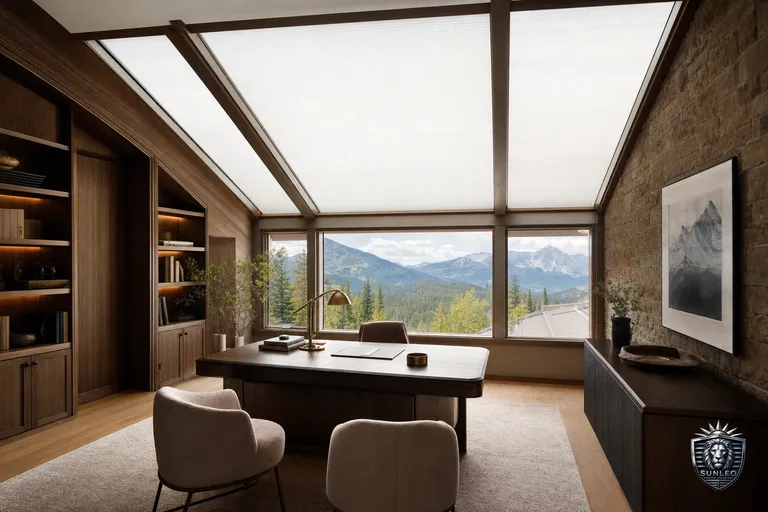
- Best for: skylights, small or high windows where a valance would look bulky, and rooms where the metal or fabric roll itself is a look you want
- Trade-off: lowest light control and highest visible dust of the three
Which Valance Option Fits Your Window?
There's no universally "correct" choice — it depends on the room, the window, and how much light control you actually need.
- Choose cassette if: it's a bedroom, nursery, or media room and you want the tightest light seal and lowest maintenance
- Choose fascia if: you want a finished, decorative front but don't need a full blackout seal — most living rooms and kitchens
- Choose open-roll if: the window is small, high, angled, or a skylight, or you like exposed hardware as part of the design
- Not sure? Bring it up during your free in-home measure — your Sunleo consultant can show physical valance samples against your actual window trim and light conditions before you decide