Cost & Pricing
Blind Cost by Type: Which Window Coverings Cost More (and Why)
Ask five different suppliers what blinds cost and you'll get five different numbers — because the biggest cost driver isn't the retailer, it's the window covering type you choose. Before fabric grade, mount style, or motorization ever enter the conversation, the base construction of roller, zebra, cellular, roman, and faux-wood/venetian blinds already places each type in a different cost tier. Understanding that tier — and what pushes a given type up or down within it — lets you set a realistic budget before a Sunleo consultant ever measures your windows. This guide compares relative cost position across the five most-requested categories and explains the mechanical and material reasons behind each ranking, so you walk into your free in-home consultation already knowing what to expect.
How Blind Type Changes the Cost Equation
Every blind type starts from a different manufacturing baseline. A roller blind is one continuous sheet of fabric on a single tube; a cellular shade is dozens of pleated fabric cells bonded together for insulation. That structural difference — not brand or store markup — is why two blinds of identical width can land in different cost brackets before you've even chosen a colour. Think of type as the first budgeting lever, with fabric, size, and add-ons layered on top of it.
Lower-Cost Tier: Roller Blinds & Faux-Wood/Venetian Blinds
These two types generally sit at the affordable end of the range because they use the fewest fabric layers and the simplest moving mechanisms.
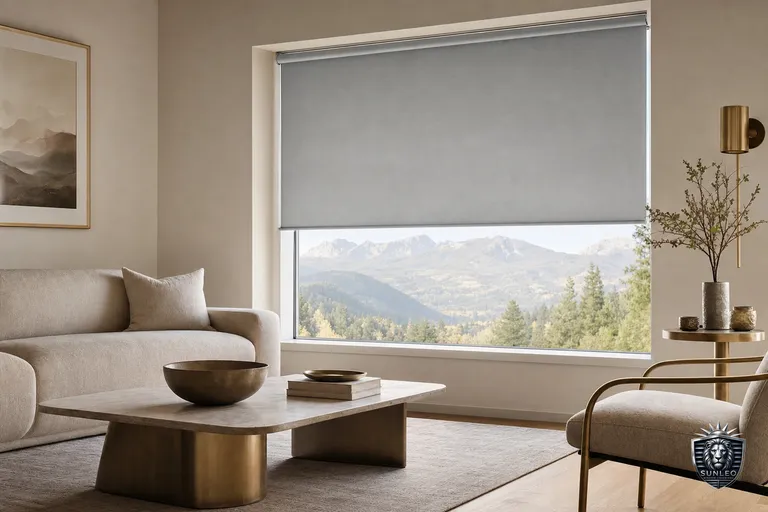
- Roller blinds: a single continuous fabric sheet on one roll mechanism — minimal parts, minimal labour, which keeps light-filtering rollers among the most budget-friendly options.
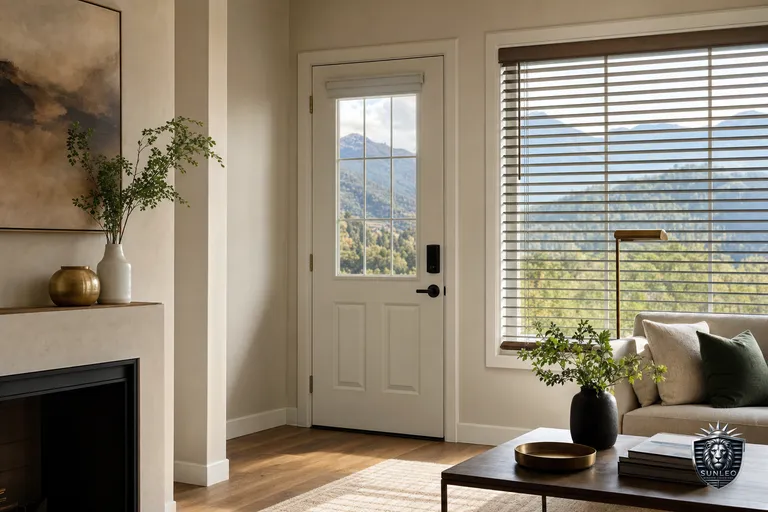
- Faux-wood/venetian blinds: horizontal PVC or composite slats on a standard tilt mechanism use inexpensive, durable materials rather than sewn fabric.
- Why they stay cheap: no lining layers, no dual-fabric banding, and fewer components to assemble per unit.
Mid-Range Tier: Zebra (Day-Night) Blinds & Roman Shades
Both types add a manufacturing step beyond a basic roller, which nudges them into the middle of the cost range.
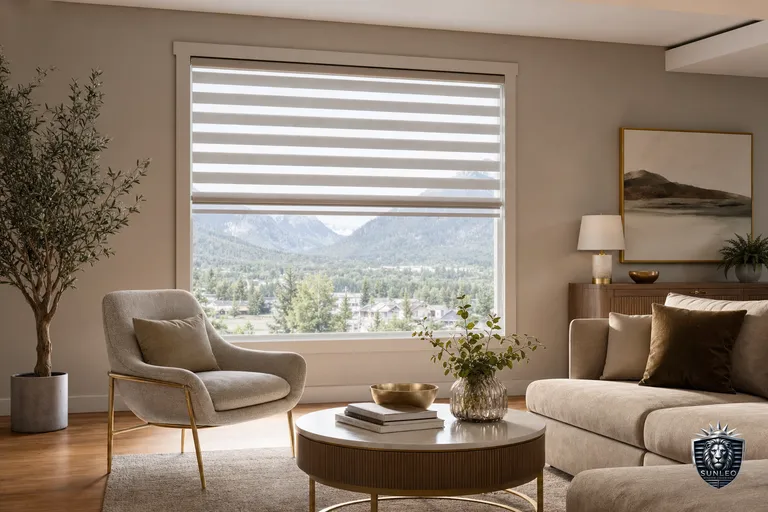
- Zebra/day-night blinds: alternating sheer and solid fabric bands on one roll mean roughly double the fabric of a standard roller, plus a more complex banding and alignment mechanism.
- Roman shades: fabric is tailored into folds with cording or rod pockets sewn through the back, and blackout lining is a common upgrade — the sewing labour and lining options push them above roller and faux-wood.
- Net effect: expect zebra and roman shades to price a step above roller/faux-wood of the same size, before fabric grade is factored in.
Higher-Position Tier: Cellular / Honeycomb Shades
Cellular shades are usually the highest-positioned type on this list because their entire design exists to trap air for insulation, not just to control light.
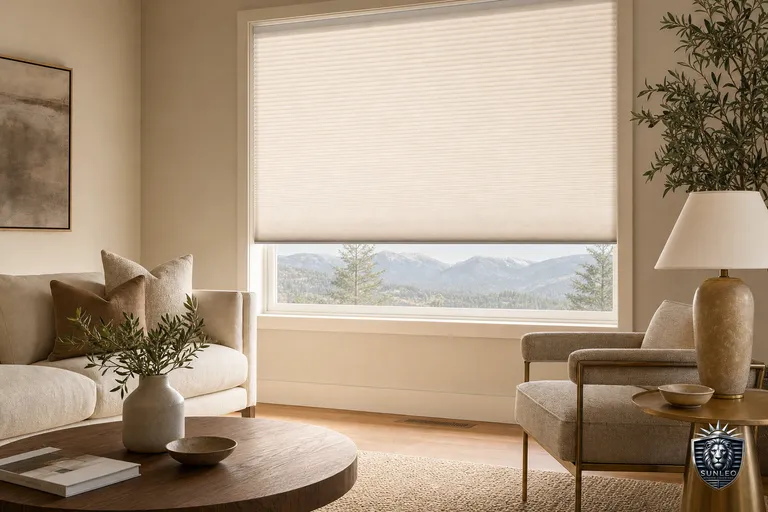
- The pleated honeycomb cells require more fabric and tighter, more precise pleating per shade than a flat roller or slat blind.
- Single-cell vs. double-cell: double- (or triple-) cell honeycomb shades use even more material and manufacturing precision, so they typically sit above single-cell versions and above zebra or roman shades of comparable size.
- The trade-off: the extra cost buys genuine thermal performance — cellular shades are the only type here purpose-built for insulation, which can offset some of the premium through energy savings over time.
What Actually Moves the Price Within Each Type
Type sets the starting tier, but these factors shift the final number up or down inside that tier — for any of the five types above.
- Width and drop: larger openings use more material and sometimes need reinforced mechanisms.
- Fabric grade: light-filtering, dim-out, and blackout options are priced differently even within the same blind type.
- Mount style: outside-mount often requires a slightly larger blind than inside-mount for the same opening.
- Motorization: adding a motor with smart-home compatibility (works with Alexa, Google Home, or Apple Home routines) adds a comparable increment across every type — it raises the whole budget without changing how types rank against each other.
- Cordless/child-safe mechanisms: increasingly standard, and can add a modest premium over corded versions.
- Number of fabric layers or honeycomb cells: more layers, more cost, at any tier.
How to Budget Before Your Free In-Home Measurement
Because so much of the final price comes down to your exact windows — not just the blind type — the most reliable way to budget is a free in-home measurement. A Sunleo consultant brings physical samples of each type, measures your specific openings, and walks you through how fabric, mount, and motorization choices affect your particular quote, so you can compare types on equal footing before deciding.