Room Guide
Best Blinds for Allergies and Dust: A Buyer's Guide
If sneezing, itchy eyes, or a stuffy nose flares up near your windows, the window covering itself may be part of the problem. Window treatments sit directly in airflow paths and collect airborne dust, pollen, and pet dander every day — some materials just hold onto it far more stubbornly than others. Here's what actually matters when choosing blinds for an allergy-sensitive home, based on surface texture, how allergens behave, and realistic cleaning routines — not marketing claims.
Why the material matters more than the brand
Dust, pollen, and pet dander are physically trapped by texture. A smooth, hard, non-porous surface (vinyl, aluminum, faux wood) gives particles nowhere to lodge — they sit on top and can be wiped or dusted off in seconds. A woven or napped fabric, on the other hand, has thousands of tiny fibre gaps that act like a filter, catching and holding allergens until the fabric is properly cleaned. This is the same principle that makes hardwood floors easier to keep allergen-free than wall-to-wall carpet.
- Smooth/hard surfaces (faux wood, aluminum, vinyl roller fabric): allergens sit on top, easy to remove
- Textured woven fabrics (some Roman shades, fabric verticals): allergens embed in the weave
- Folded/pleated designs (honeycomb cells, fabric folds): more surface area and creases for dust to settle into
- Static-prone materials can actually attract airborne dust faster between cleanings
Best low-maintenance options for allergy sufferers
For most allergy-conscious Calgary homes, we point clients toward window coverings with a flat, wipeable surface and minimal folds. These consistently perform best in day-to-day maintenance:
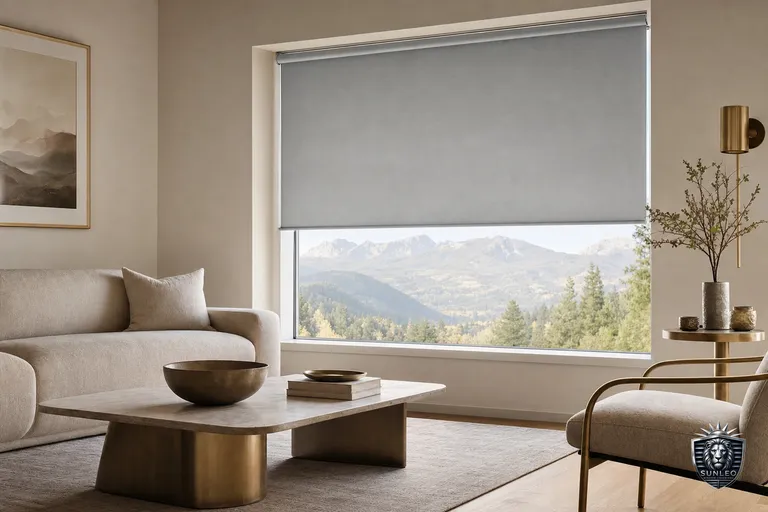
- Roller blinds (light-filtering or blackout fabric) — one continuous flat surface, no slats or folds to trap dust, wipes clean in one pass
- Zebra / day-night blinds — similar flat-panel construction to roller blinds with the added benefit of alternating sheer and solid bands, still easy to wipe
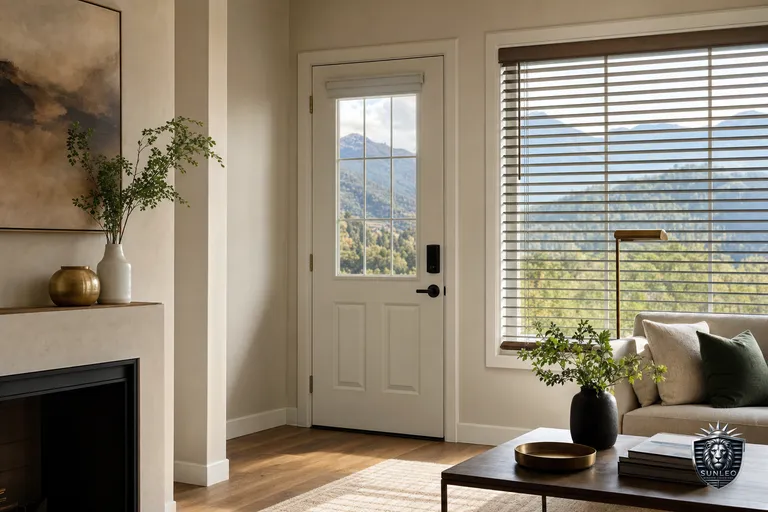
- Faux wood blinds — a PVC/composite slat that's fully washable, unlike real wood which can warp if you use anything beyond a dry cloth
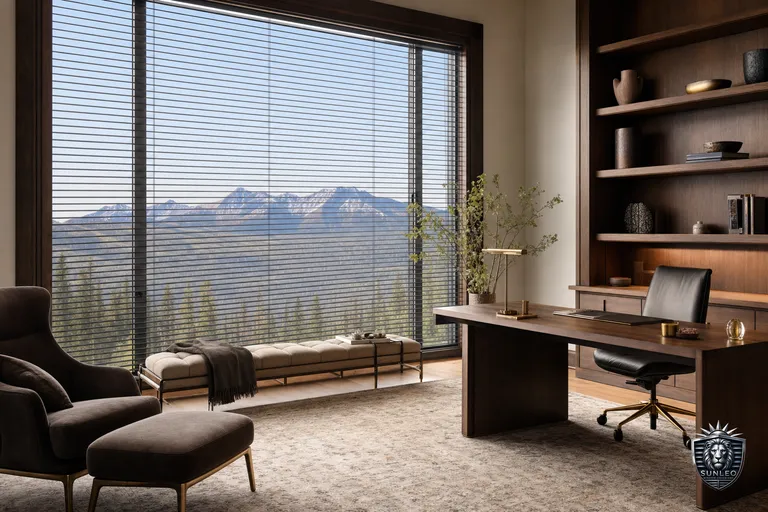
- Aluminum (venetian) blinds — non-porous metal slats that can be wiped or even lightly rinsed, a common choice for kitchens and bathrooms for the same reason
- Perfect Fit / door blinds — sealed no-drill frame keeps the blind fully enclosed against the glass, reducing dust settling into the recess around the window
What to be cautious with
This doesn't mean fabric or pleated shades are off-limits — they're often the right look for a room — but they do need a more deliberate cleaning routine and aren't the first recommendation if allergies are the main concern.
- Honeycomb / cellular shades — the pleated cells that make them great insulators also create extra folds where dust can settle; a vacuum brush attachment is needed rather than a simple wipe
- Roman shades in heavier or textured fabric — beautiful, but the woven surface holds dust and pollen longer between cleanings than a hard-surface blind
- Vertical blinds in fabric vanes (vs. PVC) — same texture concern as Roman shades, though PVC vertical vanes wipe clean like faux wood
How often should allergy-prone households clean blinds?
Cleaning frequency should roughly double compared to a household without allergy concerns, and it matters more during Calgary's high-pollen months (May–August) and dry winter months when static increases dust cling.
- Smooth blinds (roller, zebra, faux wood, aluminum): dust with a microfiber cloth or duster weekly; wipe with a damp cloth monthly
- Fabric shades (Roman, cellular): vacuum with a soft brush attachment every 1-2 weeks; spot-clean stains promptly rather than letting them set
- During pollen season or with pets: increase to twice-weekly light dusting on all blind types near frequently opened windows
What about antimicrobial or treated fabric?
If a client prefers a fabric look (Roman shades, sheer layers) but is worried about allergens, some fabric options can be specified with an antimicrobial or dust-resistant finish applied during manufacturing, which inhibits mold, mildew, and bacterial growth on the fabric surface — helpful in humid rooms like bathrooms, but it does not eliminate the need for regular dusting or vacuuming. It's worth mentioning during your in-home consultation if allergies are a priority, so your samples can be narrowed accordingly.